From Neglect To Notable: How Hon. IBE OKWARA OSONWA Is Redefining Arochukwu/Ohafia Federal Constituency

From Neglect To Notable: How Hon. IBE OKWARA OSONWA Is Redefining Arochukwu/Ohafia Federal Constituency
From Neglect to Notable: How Hon. Ibe Okwara Osonwa Is Redefining Arochukwu/Ohafia Federal Constituency
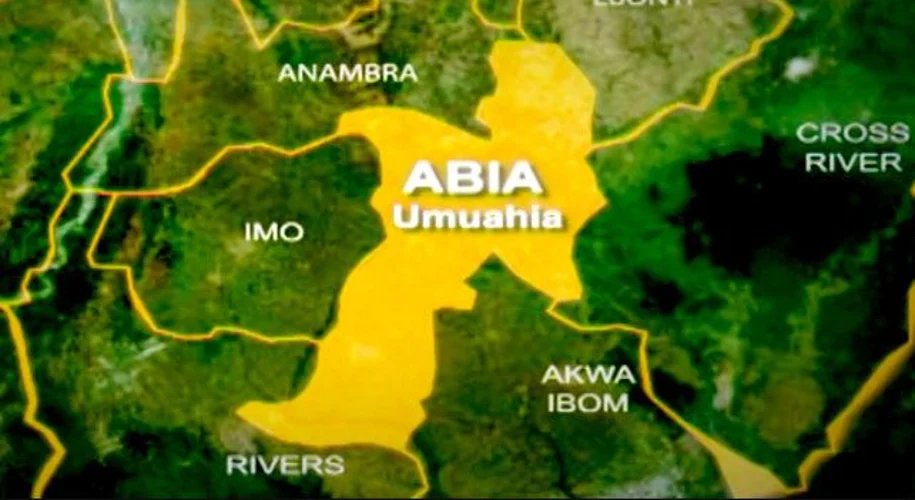
For years, the Arochukwu/Ohafia Federal Constituency in Abia State grappled with developmental challenges that left many communities feeling overlooked and underserved. Basic infrastructure lagged, access to essential services remained limited, and the pace of growth fell short of residents’ expectations.
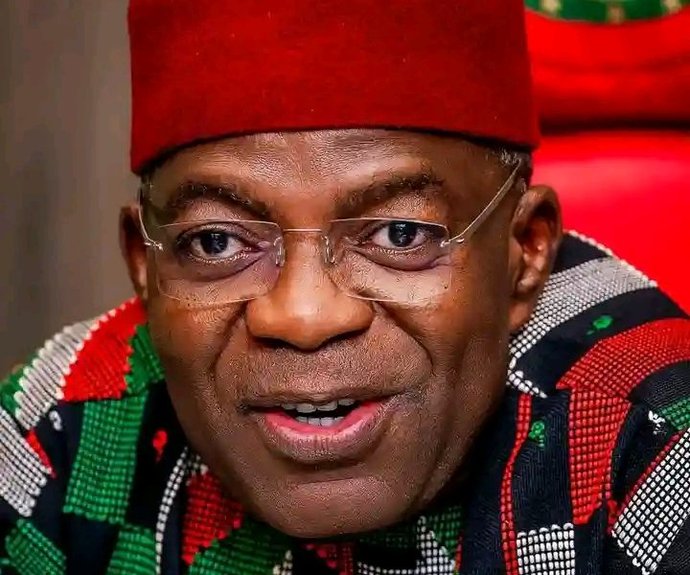
However, a new narrative is gradually emerging—one shaped by the representation of Hon. Ibe Okwara Osonwa at the National Assembly.
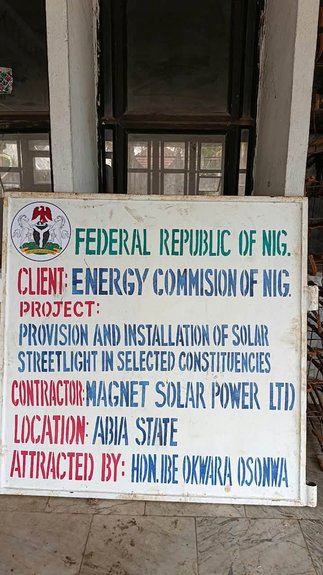
Since assuming office, Osonwa has embarked on what observers describe as a deliberate effort to bridge the development gap across the constituency. His approach, which combines legislative advocacy with grassroots engagement, is beginning to yield visible results in critical sectors.
In infrastructure, several road rehabilitation projects and electrification initiatives have been initiated to improve connectivity and stimulate economic activities in rural communities. These interventions are aimed at easing movement, enhancing trade, and improving the overall quality of life for constituents.
Education has also received attention, with the facilitation of classroom renovations, distribution of learning materials, and support for students through scholarship schemes. These efforts are designed to strengthen the educational foundation of the constituency and provide opportunities for young people.
In the area of healthcare, stakeholders point to outreach programmes and the provision of medical equipment to local health centres as part of ongoing efforts to improve access to basic medical services. Such initiatives have helped bring relief to residents, particularly in underserved areas.
Beyond physical projects, Osonwa’s empowerment programmes have targeted youths and women, equipping them with vocational skills and financial support to promote self-reliance. These initiatives are gradually fostering a culture of entrepreneurship and economic participation within the constituency.
Political analysts note that while challenges remain, the consistency of these interventions signals a shift from years of perceived neglect to a more responsive and development-focused representation.
Constituents, in their reactions, have expressed cautious optimism, noting that sustained efforts and accountability will be key to consolidating the gains recorded so far.
As the constituency continues on this path, many believe that the ongoing transformation—if maintained—could firmly reposition Arochukwu/Ohafia as a model of effective representation in Nigeria and beyond.