[PHOTOS] Otti Unveils Business Roundtable to Deepen Private Sector Partnership in Abia
Uduma
![[PHOTOS] Otti Unveils Business Roundtable to Deepen Private Sector Partnership in Abia](/media/articles/Compress_20260305_201552_2992.jpg)
[PHOTOS] Otti Unveils Business Roundtable to Deepen Private Sector Partnership in Abia
Otti Launches Abia Business Roundtable to Strengthen Public-Private Partnerships
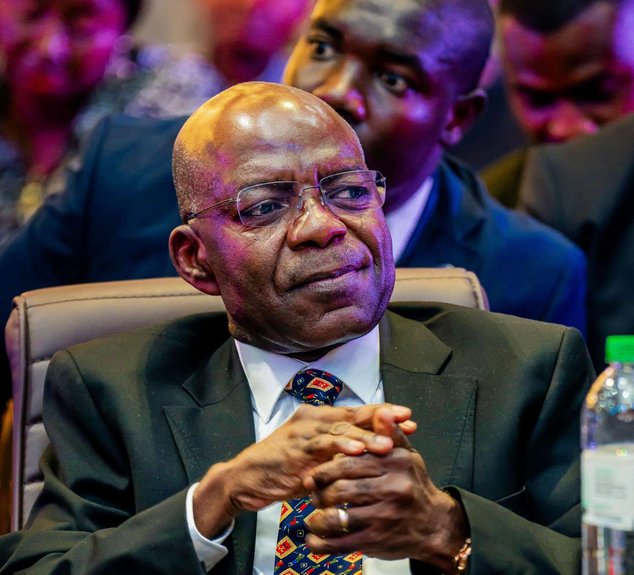
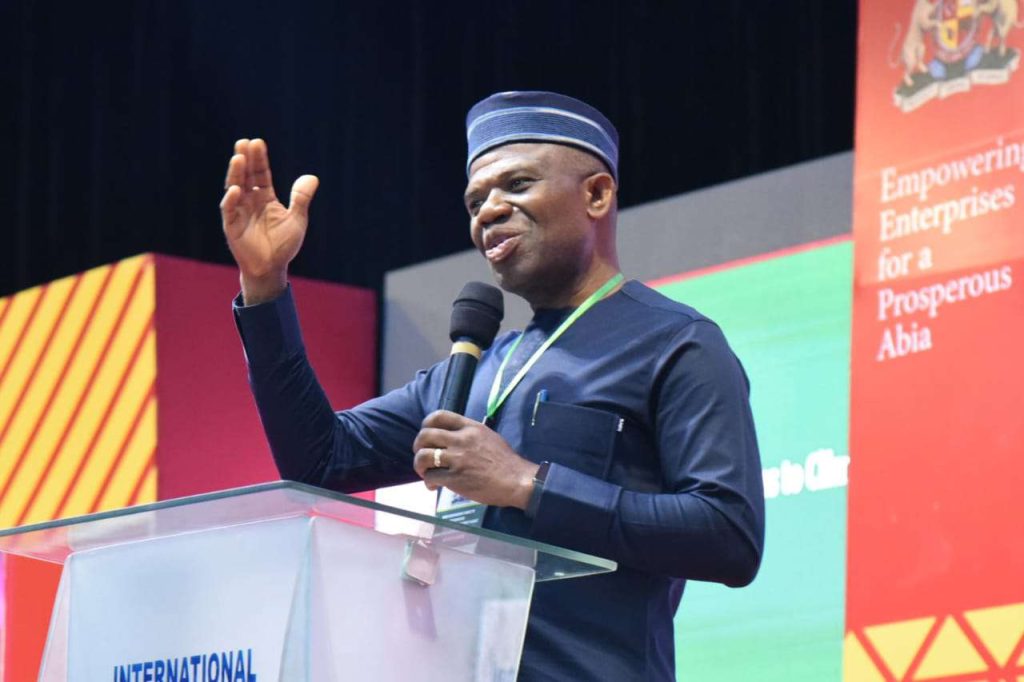
Umuahia, Abia State – Governor Alex Otti has inaugurated the Abia Business Roundtable, an initiative designed to enhance information flow, strengthen private sector collaboration, and drive business growth and economic prosperity across the state.
The launch took place on Thursday at the International Conference Centre, Umuahia, under the theme: “Government Meets Business: Where Vision Meets Enterprise.”
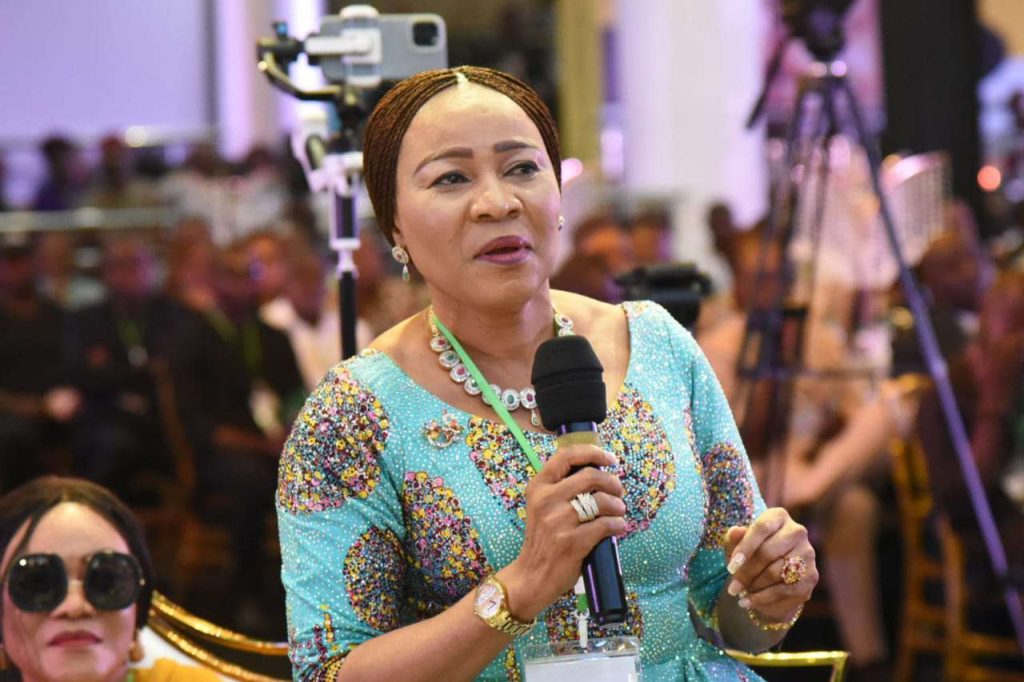
Addressing participants on “Opportunities, Partnership and Prosperity,” Governor Otti highlighted that the roundtable aims to align government policies with the genuine expectations of private sector stakeholders. He emphasized that the initiative will help reduce challenges often arising when policies are designed without sufficient input from the business community. Insights and recommendations from breakout sessions and panel discussions will be documented for consideration in policy formulation and implementation strategies.
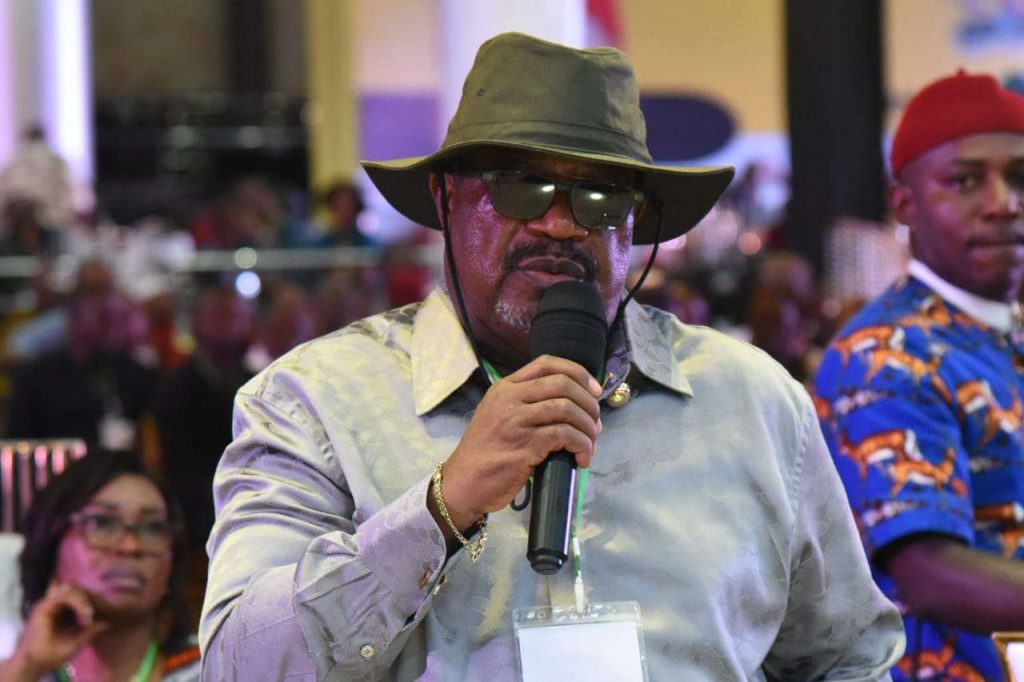
Governor Otti stressed that efficient markets depend on an enabling environment, supported by investments in infrastructure, institutional development, law and order, and policies that reward enterprise and encourage innovation. Citing historical economic disruptions such as the Great Depression and the Subprime Mortgage Crisis, he noted that successful economies require a balanced relationship between government intervention and private sector activity, pointing to China and the United States as examples of sustainable growth through collaboration.
Since the start of his administration, Otti said, the Abia government has prioritized building a framework for long-term economic stability while creating opportunities for private sector participation. This includes significant infrastructure investments and a six-month tax holiday for small businesses to reduce barriers to productivity. Government studies had identified poor road networks, security concerns, unreliable electricity, and multiple taxation as key constraints limiting private sector activity.
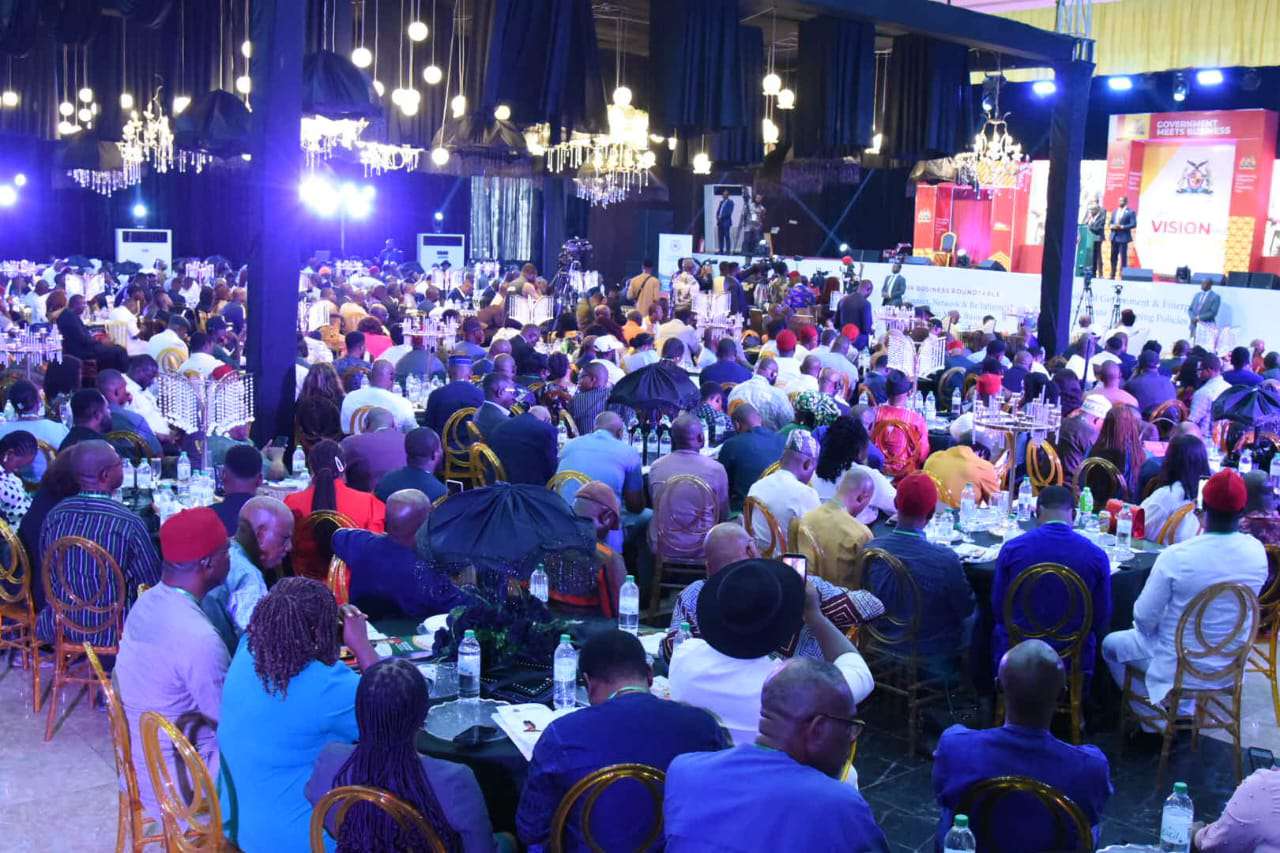
To address these challenges, the state has launched a large-scale road rehabilitation programme, beginning with strategically important areas such as Aba and Umuahia, where decayed infrastructure had severely affected manufacturing and commerce. “Rebuilding roads is critical to reconnect factories with markets, restore customer access, and revive confidence within the business community,” Otti said.
Highlighting the administration’s commitment to entrepreneurs, the governor revealed that over 80 percent of the state’s budgets for 2024, 2025, and 2026 have been dedicated to capital projects aimed at stimulating economic activity. He expressed gratitude to business leaders and development partners for their engagement, noting their role in transforming Abia into a major investment destination.
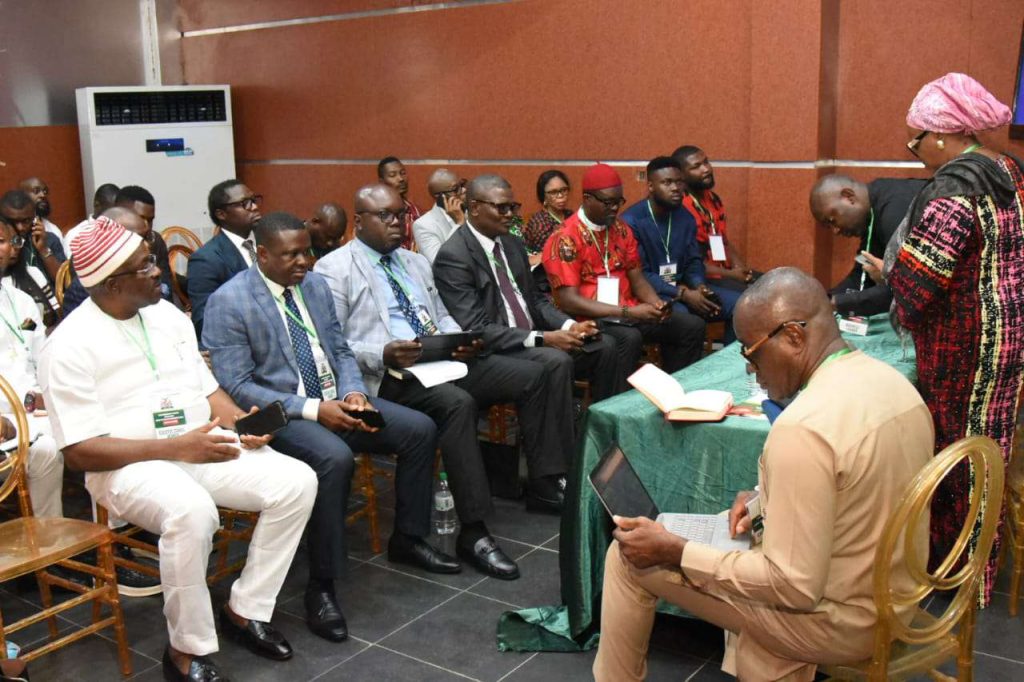
Otti also commended Chinedum Chijioke, Director General of the Abia Public-Private Partnership and Investment Promotion Office, for initiating the programme.
Earlier, Secretary to the State Government, Emmanuel Meribole, welcomed industry leaders, development partners, and officials to the strategic engagement. He described the roundtable as a practical platform for dialogue between government and the private sector, aimed at driving economic transformation.
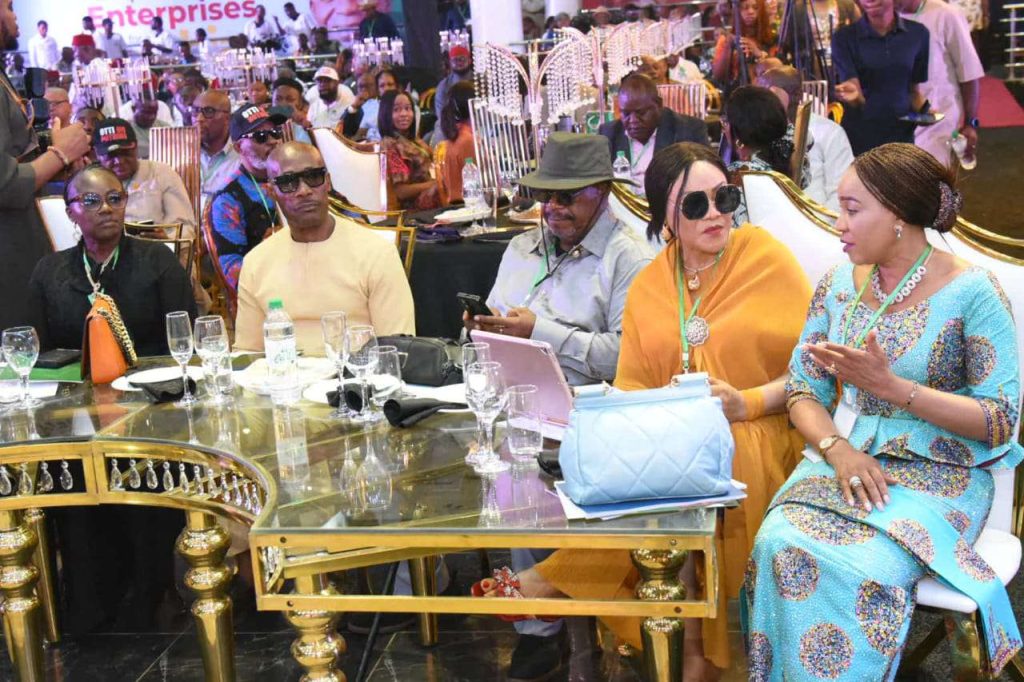
Meribole outlined the administration’s reform agenda, built on four pillars: transparency, institutional discipline, infrastructure renewal, and private sector-led growth. He underscored the importance of security in economic development, noting ongoing collaborations with federal agencies and community-based security initiatives to protect industrial corridors, logistics routes, and critical infrastructure.
On infrastructure, the SSG highlighted ongoing road rehabilitations, urban renewal projects, and strategic initiatives, including a proposed airport, aimed at connecting producers to regional and national markets. “Infrastructure for us is not simply an expenditure; it is an economic strategy,” he said.
.
Meribole also noted reforms in healthcare, education, sanitation, and skills development to strengthen the state’s human capital. He emphasized Abia’s strong entrepreneurial workforce, capable of scaling industries across manufacturing, agro-processing, mining, logistics, healthcare, and innovation.
Chinedum Chijioke reaffirmed the government’s commitment to reducing bureaucracy, improving investor support services, and addressing regulatory challenges, land acquisition issues, and dispute resolution mechanisms.
Participants were encouraged to share insights on business opportunities and strategies to enhance Abia’s competitiveness. Officials announced plans for a major investment summit in June 2026, aimed at showcasing the state’s economic potential to local and international investors.