Minister Commissions Osusu Abaala Women Palm-Oil Collective, Launches Sexual Assault Referral Centre in Abia
Uduma

Minister Commissions Osusu Abaala Women Palm-Oil Collective, Launches Sexual Assault Referral Centre in Abia
The Federal Government has reaffirmed its commitment to women’s economic empowerment and protection with the commissioning of the Osusu Abaala Women Palm-Oil Collective under the Nigeria for Women Programme in Isialangwa North Local Government Area of Abia State.
The facility was officially inaugurated by Governor Alex Otti, alongside the state’s First Lady and the Minister of Women Affairs and Social Development, Imaan Sulaiman Ibrahim. The event was attended by members of the State Executive Council, representatives of the World Bank and the European Union, development partners, traditional leaders, and women beneficiaries.
The minister said the project forms part of a broader national scale-up plan targeting at least five million women across the 36 states and the Federal Capital Territory through coordinated interventions in livelihoods, food security, and inclusive growth. She explained that the expansion aligns with the Renewed Hope Social Impact Interventions 774 framework, which integrates women’s economic empowerment, social protection, and family resilience across local government areas nationwide.
According to her, the initiative also supports the Renewed Hope Agenda of President Bola Ahmed Tinubu, which places women’s economic participation at the centre of national productivity, rural development, and social stability, and designates 2026 as the Year of Social Development and Families.
Speaking at the ceremony, Governor Otti commended the Federal Ministry of Women Affairs and its partners for promoting grassroots economic inclusion. He reaffirmed his administration’s commitment to policies that boost productivity, support smallholder women farmers, and strengthen cooperative-based enterprises across the state.
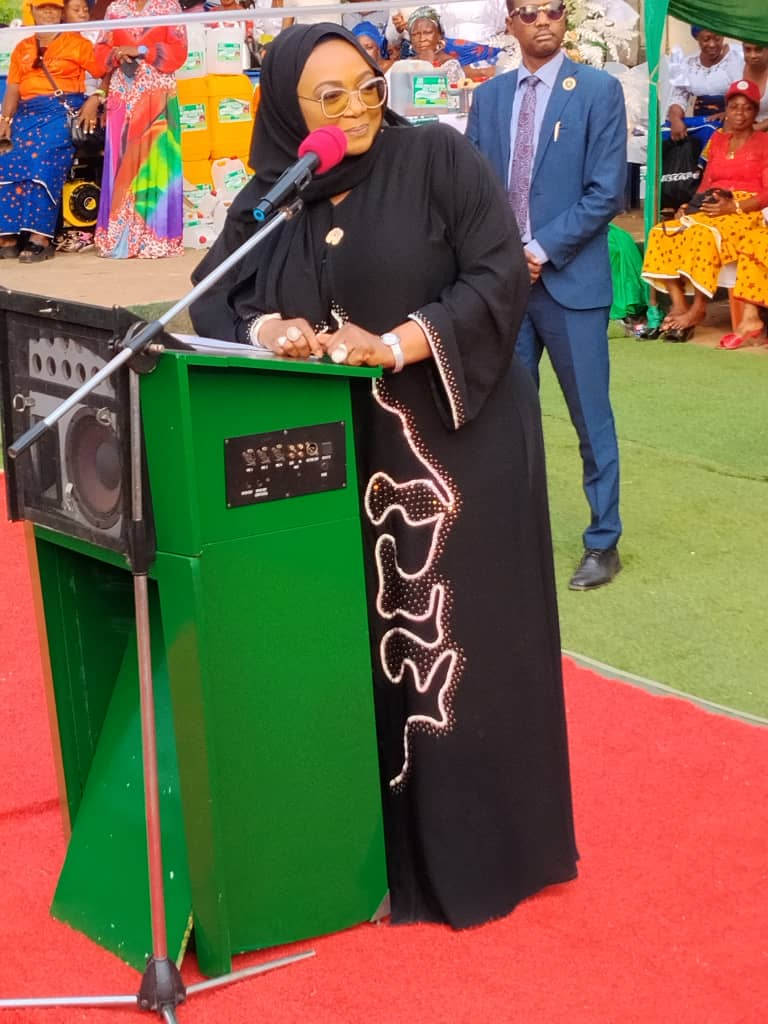
The minister urged beneficiaries to manage the facility with transparency and accountability, noting that improved processing capacity and stronger market access would enhance productivity, bargaining power, and incomes. She stressed that structured enterprise and collective ownership remain vital to sustainable prosperity.
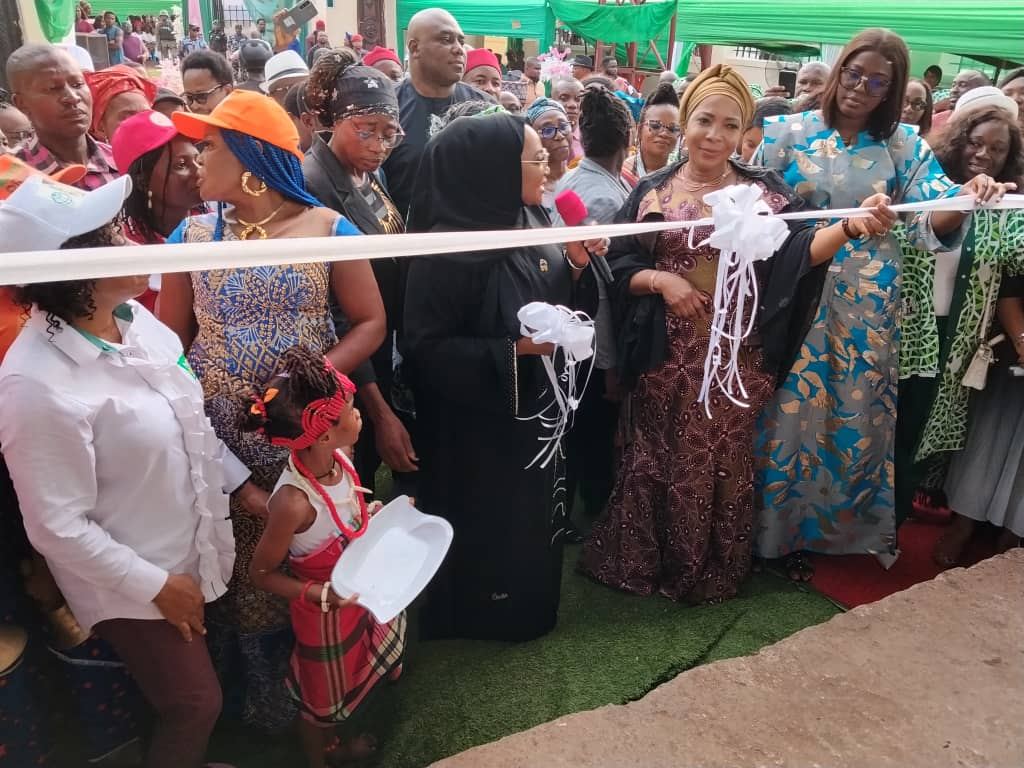
During the visit, the minister also launched a Sexual Assault Referral Centre (SARC) in the state, jointly declared open by the governor and the First Lady. The launch drew participation from government officials, justice sector stakeholders, civil society organisations, and international partners.
She described the centre as a strategic intervention to strengthen Nigeria’s response to gender-based violence, noting that such abuses remain widespread and underreported, including in digital spaces. As of November 2025, she said, 50 Sexual Assault Referral Centres had been established across 24 states, assisting more than 58,000 survivors.
The new centre will provide confidential and integrated services, including medical care, psychosocial support, legal referrals, and coordinated access to justice under a survivor-centred framework. The minister warned that fragmented responses often worsen trauma and weaken justice outcomes, and called for stronger institutional protection systems capable of addressing emerging threats such as cyberstalking, digital coercion, online trafficking, and image-based abuse.
She added that economic empowerment projects like the Osusu Abaala Women Palm-Oil Collective complement protection systems by addressing economic vulnerability, a major driver of gender-based violence.
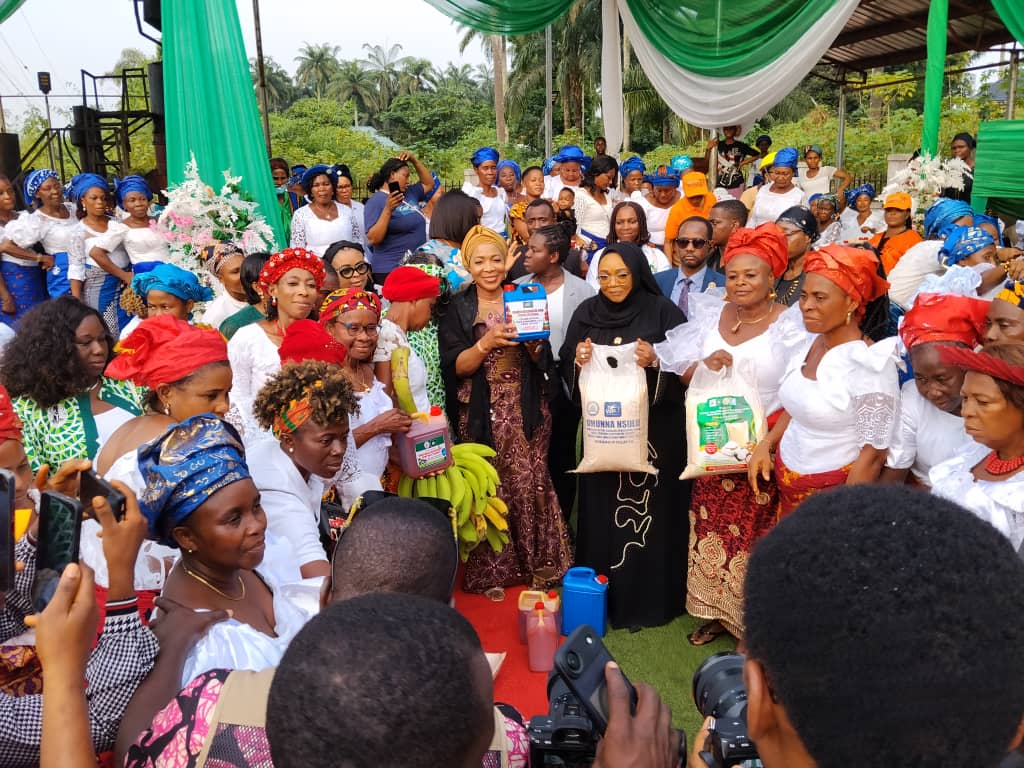
The minister described the commissioning as a milestone in rural productivity and inclusive development, noting that organised women supported with skills, structure, and market linkages can move from informal activities to coordinated, market-oriented production that strengthens household incomes and local economies.
She said Phase I of the programme, implemented between 2018 and 2024 across the six geo-political zones, recorded measurable gains in income growth, savings mobilisation, enterprise development, and collective action among women groups.